
Menu

Have You Considered a Food Truck Incubator? Why Shared Success Might Be the Secret Ingredient

Posted on 01/03/2026 by FTB

More than just mobile kitchens, food trucks are becoming launchpads for culinary dreams. A new trend is emerging food truck incubators. These shared spaces and mentorship programs are reshaping how aspiring food entrepreneurs start and scale. Is your next great dish waiting for a boost from an incubator?
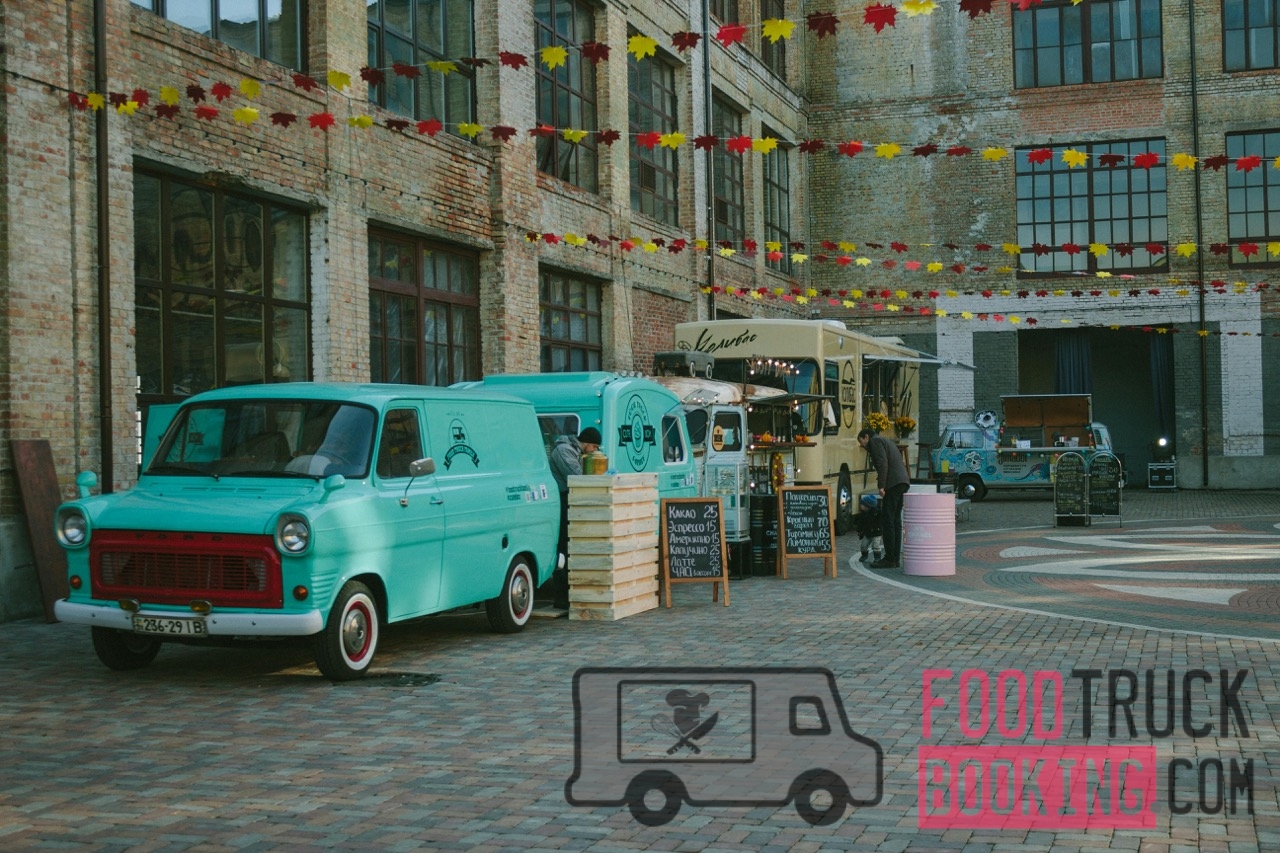

  • What Is a Food Truck Incubator—and Why It Matters

    A food truck incubator is more than a space to park your truck overnight. It’s a collaborative ecosystem designed to help budding and early-stage food truck entrepreneurs flourish. Imagine shared kitchen space, access to business coaching, support with licenses and permitting, and even connections to events-all under one roof. As the mobile food industry grows more competitive, incubators are becoming essential stepping stones for talent that might otherwise be left behind due to lack of capital, guidance, or resources.

    These programs, which may be run by non-profits, private investors, or city governments, help democratize entry into the food business. They lower financial barriers and offer infrastructure and expertise that would take years to build alone. Not only is it good for individual entrepreneurs, but it’s also great for cities and communities hungry for diverse flavors and fresh ideas.

    What Is a Food Truck Incubator—and Why It Matters
  • Who Benefits Most from a Food Truck Incubator Program?

    Food truck incubators are often tailored to support first-time entrepreneurs, particularly those from underserved communities-immigrants, women, low-income families, and aspiring chefs who lack traditional culinary school backgrounds. By offering access to shared commissary kitchens, business mentorship, and reduced-cost rentals, these incubators create a level playing field for food lovers with grit and vision.

    Yet the benefits go beyond just launching trucks. Incubators often help participants define their brand, narrow down a profitable menu, and master social media and marketing strategies. Think of it as a culinary startup accelerator-but with a whole lot more flavor. For foodies who dream of seeing their grandmother’s pupusa recipe turned into a thriving business, or for veterans pivoting into civilian life with a passion for barbecue, an incubator could be the bridge between idea and income.

  • Behind the Scenes: How a Food Truck Incubator Works

    Most food truck incubators offer a structured program over several months. Entrepreneurs usually pay a fee (lower than starting independently) or receive subsidized support funded by grants or partnerships. The offerings vary, but often include:

    - Access to shared, licensed commercial kitchens
    - Help with inspections, permits, and insurance
    - Mentorship from seasoned food truck operators
    - Branding and design consultations
    - Event booking support
    - Cross-training in accounting, food safety, and pricing

    Some incubators even work hand-in-hand with online platforms like FoodTruckBooking to help participants promote their trucks and secure bookings. With a focus on both great food and good business, these incubators aim to create sustainable ventures rather than just one-hit pop-ups.

    A key component is community. Entrepreneurs aren't just roommates in a kitchen-they’re collaborators. They share stories, swap tips, troubleshoot each other’s service pains, and even cross-promote at festivals. It’s competitive, sure-but also supportive.

  • From Test Kitchen to City Streets: Real-Life Success Stories

    Take a look at Chicago’s “Kitchen Possible” or New York’s “Queens Night Market Incubator.” These programs have turned countless hobbyists into full-fledged operators. One standout is Maria Torres, who joined a Miami-based food truck incubator with her vegan Cuban street food concept. Within six months, she went from concept to cash flow-and her truck now books out months in advance. She credits the incubator that helped her with equipment rentals, introduced her to local customers, and guided her through branding.

    There are also operators who test their menus first through the incubator’s pop-up network before hitting the streets full-time. Others use it as a stepping stone for fundraising by building a loyal following. By entering an incubator with a built-in audience and trusted mentors, these entrepreneurs are proving that dreams can scale-one service window at a time.

Archive
Share this article

Guest blogger?

We are always looking for enthusiastic writers for our platform. Please contact us without obligation via the contact form.

Contact
« Previous
Message 1 of 223
Next »